
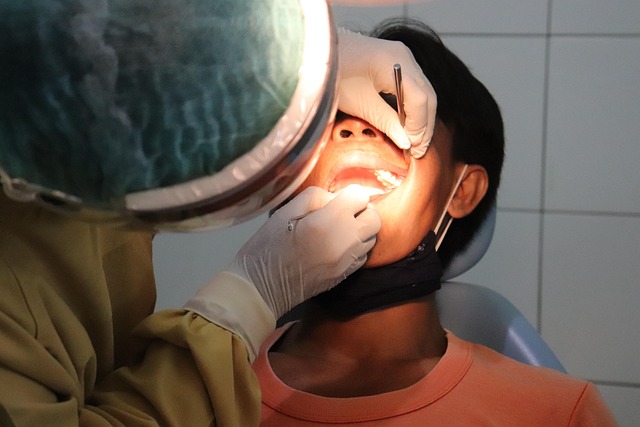
Dental problems do not always happen at a convenient time. A sudden toothache, broken tooth, or dental injury can occur without warning and may require prompt attention. While some dental concerns can wait until your regular appointment, others should be treated as a dental emergency.
Knowing the warning signs can help you decide when to seek immediate dental care and may prevent a minor problem from becoming more serious. Here are seven common signs that you may need an emergency dental visit.
- Severe or Persistent Toothache
A mild toothache may sometimes be related to temporary sensitivity, but severe or persistent dental pain should not be ignored. Intense pain can be caused by tooth decay, an infection, a damaged filling, or problems affecting the tooth’s inner tissues.
If your toothache is severe, keeps getting worse, or does not improve with basic pain-relief measures, contact a dentist as soon as possible. Prompt treatment can help identify the underlying cause and prevent the condition from progressing.
- A Broken or Cracked Tooth
Teeth can become cracked or broken because of an accident, biting something hard, or weakened tooth structure. A small chip may not always require emergency treatment, but a significant crack or break can expose the sensitive inner portion of the tooth.
A damaged tooth may become painful or more vulnerable to bacteria. If you break or crack a tooth, avoid chewing on that side of your mouth and arrange a dental evaluation promptly.
- A Knocked-Out Tooth
A knocked-out permanent tooth is one of the most time-sensitive dental emergencies. Quick action may improve the chances of saving the tooth.
If a permanent tooth is completely knocked out, handle it carefully by the crown rather than the root. If possible, gently rinse it without scrubbing and keep it moist while seeking immediate dental care. Do not attempt to force the tooth back into place if doing so causes difficulty or discomfort.
Because treatment time can be important, contact an emergency dentist immediately after a tooth has been knocked out.
- Swelling in the Face, Jaw, or Gums
Unexpected swelling around the mouth, jaw, or face can be a sign of an infection. Dental infections can develop around a tooth or in the surrounding gum tissue and may become more serious if left untreated.
Swelling accompanied by severe pain, fever, a bad taste in the mouth, or difficulty swallowing requires prompt dental attention. If swelling makes it difficult to breathe or swallow, seek emergency medical care immediately.
- Uncontrolled Bleeding
Some bleeding can occur after certain dental procedures or injuries, but bleeding that does not stop with gentle pressure may require urgent attention.
If you experience significant bleeding after a dental injury or procedure, contact your dentist for guidance. Persistent or heavy bleeding should not be ignored, particularly when it is accompanied by other symptoms.
- A Dental Abscess or Signs of Infection
A dental abscess is a pocket of infection that can develop around a tooth or in the gums. It may cause severe tooth pain, swelling, sensitivity, fever, or a bad taste caused by drainage.
Dental infections generally require professional treatment rather than simply waiting for symptoms to disappear. A dentist can determine the source of the infection and recommend appropriate treatment to protect your oral health.
- Severe Dental Trauma
An injury to the mouth can damage teeth, gums, or other structures even when the damage is not immediately obvious. Sports injuries, falls, car accidents, and other impacts can cause dental trauma.
If you experience a strong blow to your mouth and notice loose teeth, severe pain, bleeding, swelling, or a damaged tooth, seek dental care promptly. Early evaluation can help identify hidden damage and determine the appropriate treatment.
When Should You Seek Emergency Dental Care?
Not every dental problem requires an emergency appointment. However, severe pain, facial swelling, uncontrolled bleeding, significant dental injuries, infections, and knocked-out permanent teeth should receive prompt attention.
When in doubt, it is better to contact a dental professional and explain your symptoms. They can help determine how quickly you should be evaluated.
How to Reduce the Risk of Dental Emergencies
Although some dental emergencies are unavoidable, good oral care can reduce your risk of developing certain problems. Consider these habits:
- Brush your teeth twice a day with fluoride toothpaste.
- Floss or clean between your teeth every day.
- Schedule regular dental checkups and cleanings.
- Avoid chewing hard objects or non-food items.
- Wear a mouthguard during contact sports.
- Address tooth pain or sensitivity before it becomes severe.
- Follow your dentist’s recommendations for maintaining healthy teeth and gums.
Get Dental Care When You Need It
Recognizing the signs of a dental emergency can help you get appropriate care before a problem becomes more complicated. Severe pain, dental injuries, swelling, infections, uncontrolled bleeding, and knocked-out teeth should never be ignored.
If you are experiencing symptoms that concern you, contact a dental professional for an evaluation. Timely dental care can help relieve discomfort, address the underlying problem, and protect your long-term oral health.
Recent Comments